What to Expect During an Asphalt Blacktopping Project
People seeking asphalt blacktopping often want a smooth, durable surface, and local contractors can provide expert service to ensure a quality finish.
If you’re considering an asphalt blacktopping project, understanding what to expect during the process can help ease any concerns and ensure a smoother experience. Property owners in the area often explore this topic to prepare for driveway upgrades, parking lot renovations, or other paving needs. Knowing the typical stages involved-from site preparation and surface removal to the final layer of asphalt-can help set realistic expectations and highlight the importance of working with experienced local contractors who specialize in asphalt blacktopping services. These professionals can provide guidance tailored to your property’s specific requirements, ensuring the project is completed efficiently and to a high standard.
Keeping informed about what happens during an asphalt blacktopping project also allows property owners to plan accordingly, minimizing disruptions and understanding the timeline involved. Local service providers are well-equipped to handle each phase of the job, from assessing the site to applying the new surface properly. Exploring this topic can help you identify the right local contractors who offer quality asphalt blacktopping services, giving you confidence that your project will be managed professionally and with care. Keep reading to learn more about the typical process and how local experts can assist in achieving a durable, attractive pavement.
- Asphalt Driveway - homeowners needing to replace or upgrade their driveway can rely on local contractors to handle the blacktopping process efficiently.
- Commercial Parking Lot - business owners planning to resurface or expand their parking areas can expect experienced service providers to manage the project smoothly.
- Residential Pathways - property owners looking to improve walkways or patios often turn to local pros for precise asphalt blacktopping work.
- Roadway Resurfacing - municipalities or developers requiring street repairs can work with local contractors to ensure proper blacktopping techniques are used.
- Industrial Surfaces - facilities needing durable surfaces for heavy equipment can find local service providers equipped to deliver long-lasting asphalt blacktopping solutions.
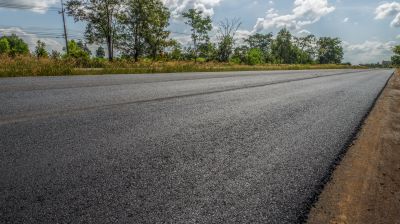
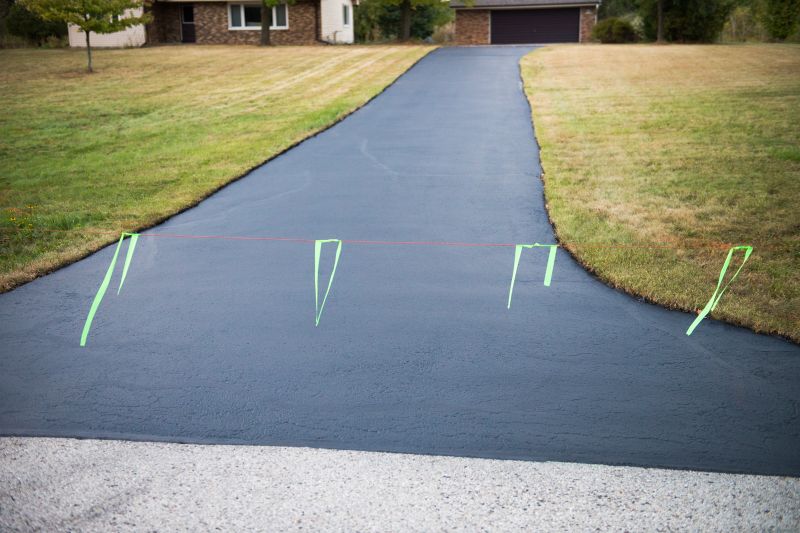

When searching for information about what to expect during an asphalt blacktopping project, homeowners are often looking to understand the overall process involved in resurfacing or installing a new driveway, parking lot, or other paved surfaces. This topic typically relates to plans for improving property accessibility, enhancing curb appeal, or addressing existing pavement issues such as cracks, potholes, or uneven surfaces. People want to know how the work will impact their daily routines, what steps are involved, and how long the project might take. Understanding these details helps homeowners prepare for the disruption and ensures they are making informed decisions when selecting local contractors to handle the job.
Many property owners consider asphalt blacktopping projects when planning to upgrade or replace aged or damaged pavements. These projects are common on residential driveways, commercial parking lots, and even private roads within larger properties. Problems that often lead to blacktopping include deteriorating asphalt that has developed cracks, potholes, or extensive surface wear. Additionally, property owners may be planning to expand existing paved areas or improve drainage and safety features. Recognizing the types of properties that typically undergo blacktopping helps homeowners determine whether their project aligns with standard procedures and what to expect during the process.
During an asphalt blacktopping project, property owners can generally expect a series of stages that include site preparation, removal of old pavement if necessary, and the application of new asphalt. Local service providers often start by clearing the area of debris and ensuring proper grading to promote drainage. This is followed by the actual blacktopping, which involves laying down hot asphalt and compacting it to create a smooth, durable surface. Homeowners should anticipate some degree of noise, dust, and temporary restrictions on access during these phases. Understanding these typical steps provides clarity on what the project entails and how local pros ensure a quality finish.
The types of properties that frequently undergo asphalt blacktopping are diverse, ranging from single-family homes to multi-unit complexes and commercial enterprises. Residential driveways are among the most common, especially when they show signs of aging or damage. Commercial parking lots often require resurfacing to maintain safety standards and appearance. Larger properties, such as private roads or community access ways, may also be part of blacktopping projects. Recognizing these property types helps homeowners understand how local contractors tailor their services to meet specific needs, ensuring the project is completed efficiently and to the desired standard.
Paving Repair Projects - these projects involve fixing or replacing existing pavement and require similar planning, surface preparation, and material handling as asphalt blacktopping.
Driveway Resurfacing - resurfacing involves applying new asphalt over existing surfaces, sharing techniques and tools used during asphalt blacktopping projects.
Parking Lot Maintenance - maintaining or restoring commercial parking lots involves surface preparation and application processes comparable to blacktopping procedures.
Sidewalk and Pathway Repaving - these projects require precise surface grading and finishing skills similar to those used in asphalt blacktopping work.
Asphalt Sealcoating - sealing existing asphalt surfaces involves surface cleaning and application methods that are related to the blacktopping process.
Roadway Paving - large-scale paving projects for roads involve planning, compaction, and surface finishing skills akin to residential blacktopping work.
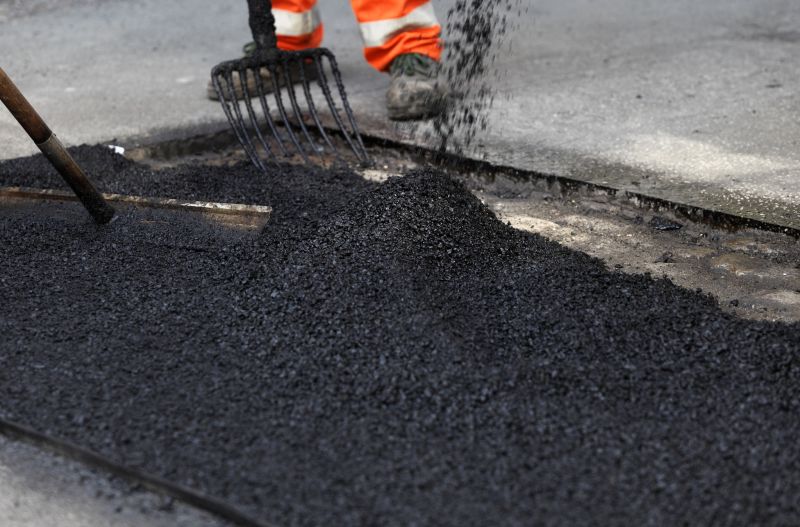
When evaluating asphalt blacktopping services, it is important to consider the experience of local contractors with similar projects. Homeowners should inquire about the types of blacktopping jobs the service providers have completed in the past to ensure they have relevant expertise. A contractor with a proven track record handling projects comparable in size and scope can help set realistic expectations for what to expect during an asphalt blacktopping project, including the process, potential disruptions, and the overall quality of work.
Clear, written expectations are a key component when choosing a local contractor for asphalt blacktopping. Service providers who can articulate their approach, outline the steps involved, and specify what the homeowner can anticipate during the project contribute to a smoother experience. Having detailed information about the process helps homeowners understand what will happen at each stage and minimizes surprises, making it easier to plan accordingly.
Reputable references and strong communication are essential factors to consider when comparing local contractors. Homeowners should seek out service providers who can provide references from previous clients, demonstrating their reliability and the quality of their work. Additionally, good communication-such as responsiveness, clarity, and transparency-helps ensure that homeowners stay informed and comfortable throughout the project. Choosing a contractor with these qualities can lead to a more predictable and satisfactory experience during what to expect during an asphalt blacktopping project.
Property owners often search for what to expect during an asphalt blacktopping project when they are planning practical projects around their homes and businesses. Local pros provide Asphalt Blacktopping services for everyday jobs and straightforward project options.
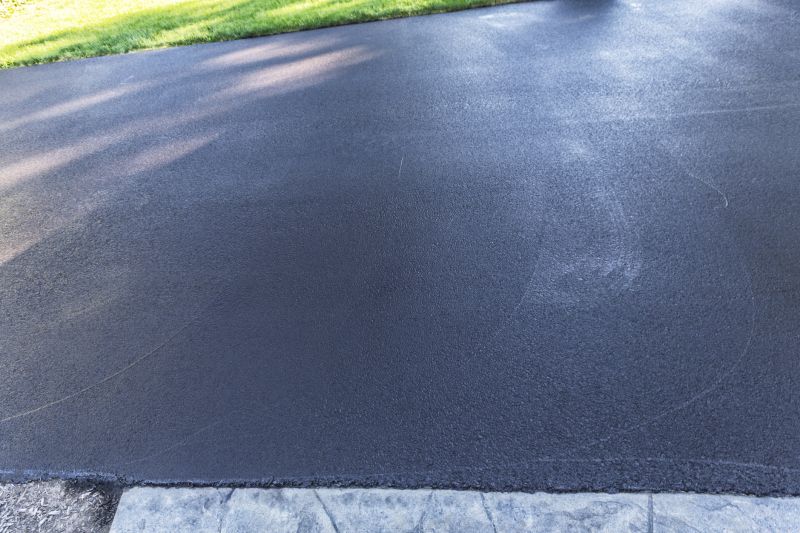
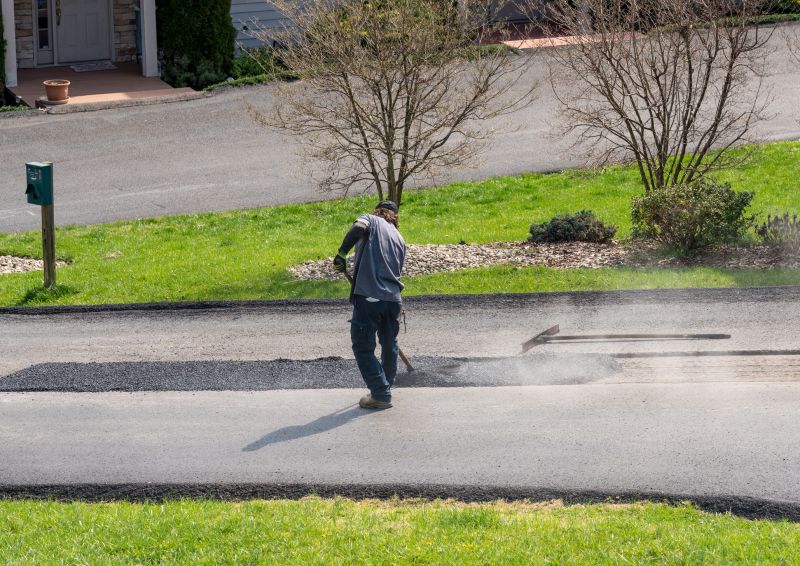
During an asphalt blacktopping project, property owners can generally expect to see a series of routine steps that help ensure a smooth process. Typically, local contractors will prepare the area by cleaning and removing any existing pavement or debris, which can involve some minor disturbance or noise. Once the surface is ready, the new asphalt is usually laid down in layers, and property owners might notice equipment like rollers and trucks in action. It’s common to experience some temporary disruptions, such as limited access to driveways or parking areas, but these are usually brief and part of the normal workflow.
Understanding what to expect during an asphalt blacktopping project can help property owners plan accordingly. Local service providers often manage the entire process, including site preparation, asphalt application, and finishing touches, to minimize inconvenience. It’s typical for there to be some initial noise and activity, followed by a curing or setting period where the new surface hardens. Many property owners look up this topic to get a clearer idea of the workflow and to find experienced local contractors who can handle the job efficiently, ensuring a durable and well-finished result.
What should I expect during the preparation phase of an asphalt blacktopping project? During preparation, local contractors typically clear the area, remove existing pavement if necessary, and grade the surface to ensure proper drainage and a smooth base for the new asphalt.
How is the asphalt applied during a blacktopping project? The process involves spreading hot asphalt mixture evenly across the prepared surface using specialized equipment, followed by compaction to create a durable, smooth finish.
What kind of equipment is used during asphalt blacktopping? Local service providers use equipment such as asphalt pavers, rollers, and graders to ensure proper application, compaction, and finishing of the asphalt surface.
What are the typical steps involved once the asphalt is laid? After laying the asphalt, contractors usually perform rolling to compact the surface, then allow it to cool and harden before opening the area to traffic.
What can I expect in terms of disruptions during an asphalt blacktopping project? There may be temporary restrictions or minor disruptions in the area, but experienced local pros aim to complete the work efficiently to minimize inconvenience.
Preparation Process - Property owners should understand that the area will need to be cleared and prepped before blacktopping begins, ensuring a smooth application by local contractors.
Surface Inspection - A thorough assessment of the existing pavement or base helps determine if any repairs are needed prior to blacktopping, which local service providers can handle effectively.
Application Steps - Expect the blacktopping to involve multiple layers, including base and surface coats, applied by local pros to achieve a durable and even finish.
Curing and Use - After the blacktop is laid, it requires time to cure before parking or heavy use, a process managed by local contractors to ensure proper setting.
If you are thinking about what to expect during an asphalt blacktopping project for a property, this guide is meant to help you understand this topic, the typical project types, and how different options might fit your plans.
When you are ready, you can use the quote form on this page to share a few details about your project. From there, local pros can review the basics and follow up with options that match what you have in mind.